
PUMP YOUR WAY TO HEALTH NOW!
Over 20 years of saving lives and training lifesavers like you
2025 Instructor Updates and Material Checks due by Feb 1st.
Incomplete accounts will be removed from the system.

Survivor Story Highlight: Kristen Walenga
Atlanta Airport Bystander CPR Save
Kristen Walenga experienced a sudden cardiac emergency that caused her to collapse unexpectedly. Quick action from people nearby, along with prompt emergency response, ensured that CPR was started immediately while help was on the way.
That rapid intervention by her 15-year old son helped maintain blood flow during a critical moment and gave her the best possible chance of survival.
Her story is now shared through the American Heart Association as an example of why early CPR and bystander action can make the difference between life and death.
“Survival is possible because someone knew CPR and acted quickly.”
— American Heart Association Survivor Story
Watch CPR in Action
Why learn CPR?

When someone’s heart stops, CPR keeps oxygen flowing until help arrives — giving them the best chance to survive.
❤️ Hands-Only CPR
Learning CPR gives you the confidence to act.
📞 Call 911
Learning CPR teaches you how to stay calm, take charge, and get help.
⚡ Use an AED
Recognizing when and how to use an AED gives every victim a fighting chance.
💨 Rescue Breathing
Knowing how to give breaths safely can save young lives during emergencies.
RECOGNIZE THE SIGNS
Heart attack, stroke, and sudden cardiac arrest remain leading causes of death in the United States. In 2022 alone, over 417,000 deaths involved cardiac arrest, and stroke claimed 1 in every 20 lives.
Understanding the warning signs helps you respond quickly and protect those you care about most.
Heart Attack Warning Signs
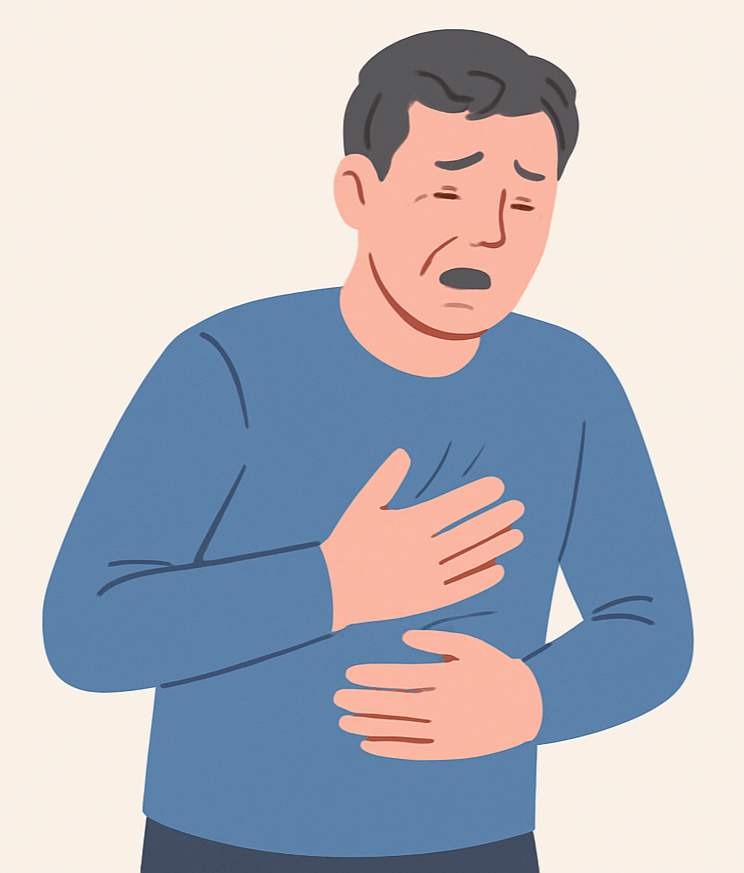
Uncomfortable pressure, squeezing, fullness, or pain in the center of the chest that lasts more than a few minutes or goes away and comes back.
Pain or discomfort in one or both arms, the back, neck, jaw or stomach.
Shortness of breath with or without chest discomfort.
Other signs such as breaking out in a cold sweat, nausea or lightheadedness.
Stroke Warning Signs
Sudden numbness or weakness of the face, arm or leg, especially on one side of the body.
Sudden confusion, trouble speaking or understanding.
Sudden trouble seeing in one or both eyes.
Sudden trouble walking, dizziness, loss of balance or coordination.
Sudden, severe headache with no known cause.

If you have one or more heart attack or stroke warning signs, don’t wait!
Call 9-1-1 immediately! Get to a hospital fast.
Keeping Hearts Healthy from Childhood to Adulthood

“ Staying active, eating healthy and getting plenty of sleep can help kids stay healthy now and for a lifetime “
- The American Heart Association
The American Heart Association suggests a few tips for helping keep kids heart-healthy:
Schedule family time for physical activity.
Plan a weekly menu and prep your meals.
Simplify your family’s schedule.
Set a regular bed time – and wake-up time.
Live by example.